Crypto vs Forex Trading: Which Market Suits Beginners in 2026?

- Primary Signal: Crypto vs Forex Trading: Which Market Suits Beginners in 2026?
- Overview: Crypto and forex both promise opportunity, but they behave very differently. Compare volatility, hours, costs and regulation to decide which market fits a beginner in 2026....
- Verification: Analyzed and compiled by 1UpTrade Live editorial monitoring desk.
A beginner choosing between crypto and forex faces two markets that look similar on a chart but behave very differently in practice. Both are traded on margin, both reward trend reading, and both can destroy an account quickly. Yet they differ in volatility, trading hours, costs, regulation and the kind of knowledge they reward. The right choice depends less on which market is better and more on which one fits the way you want to trade.
Volatility: Crypto Moves Faster, Both Ways
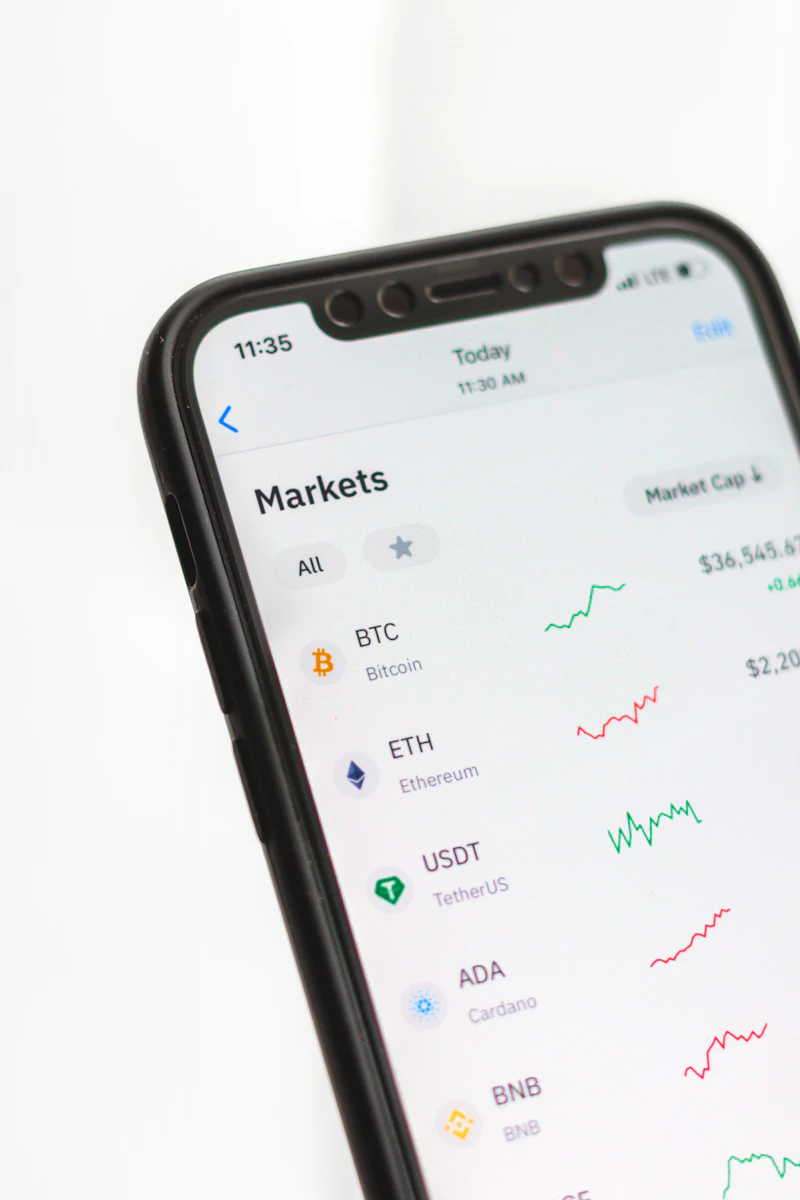
Crypto is far more volatile than forex. Bitcoin can move 5 percent in a day without any news at all, and smaller coins routinely swing 20 percent or more. Forex majors, by contrast, usually move less than 1 percent a day. That volatility is crypto's main attraction: big moves mean big potential profits from small accounts. It is also its main danger, because the same moves that double an account can halve it in a weekend.
For a beginner, forex's lower volatility is usually an advantage. Losses arrive more slowly, giving you time to learn from mistakes instead of being wiped out by one. Crypto's volatility can be traded profitably, but it demands wider stops, smaller positions and a stronger stomach than most beginners expect.
Hours, Liquidity and Costs
Crypto trades 24 hours a day, seven days a week, with no close and no weekend break. That sounds like freedom, but it means the market can move sharply while you sleep, and there is no quiet period to reset. Forex trades 24 hours a day on weekdays and closes for the weekend, which gives traders a natural pause to review the week and plan the next one.
Liquidity is deeper in forex, especially in the major pairs, where spreads are often under one pip and orders fill instantly. Crypto liquidity is excellent on Bitcoin and Ethereum but thin on smaller coins, where spreads widen and large orders move the price. Trading costs also differ: forex costs are mainly the spread, while crypto traders often pay exchange fees, funding rates on leveraged positions, and withdrawal fees that add up quietly.
Regulation and Safety
Forex is a mature, heavily regulated market in most major countries. Brokers in the UK, Europe, Australia and the US face strict capital requirements, segregated client funds and leverage limits that protect retail traders. Crypto regulation is still catching up: rules vary widely by country, some exchanges operate with little oversight, and exchange failures have cost users billions.
That does not make crypto unsafe by definition, but it raises the bar for due diligence. A beginner in crypto must learn about wallets, custody, exchange risk and scams before they can trade safely, on top of learning trading itself. In forex, the broker safety question is largely answered by choosing a regulated broker, leaving the beginner free to focus on the market.
What Each Market Rewards
Forex rewards patience, discipline and an understanding of economics. Currency moves are driven by interest rates, inflation and central bank policy, which change slowly and can be studied systematically. A trader who understands the economic calendar and the major central banks has a genuine edge in forex, and that edge compounds over years.
Crypto rewards speed, adaptability and comfort with new technology. Narratives change in weeks rather than years, new sectors appear overnight, and the traders who profit most are often the ones who spot a trend early. That pace is exciting, but it is also exhausting, and it favours traders who can dedicate serious time to research rather than trading casually in the evenings.
Which Should a Beginner Choose in 2026?
For most beginners, forex is the better first market. The slower pace, tighter spreads, deeper liquidity and stronger regulation create a forgiving environment for learning. You can practise on a demo account, trade tiny positions on a live account, and build skills that transfer directly to crypto later. Many successful crypto traders started in forex and brought its discipline with them.
That said, if you are genuinely passionate about crypto technology, have time to research it properly, and can accept the volatility, starting with a small crypto position is not wrong. The worst choice is to trade both at once as a beginner, splitting your attention and learning neither market properly. Pick one, learn it deeply, and expand only when you are consistently profitable. This article is educational only and is not financial advice. Trading forex carries a high risk of loss; never trade with money you cannot afford to lose.
More from 1UpTrade Live