Most traders fail prop firm challenges because they chase the profit target instead of protecting the drawdown limit. This guide shows a practical first-attempt plan built around 0.5% risk per trade, a personal daily loss cap, and a four-week execution schedule.

Archive: 2026
476 stories published in 2026
Risking 1% per trade is the standard advice, but the right number depends on your win rate, your strategy, and whether you trade a personal or a prop firm account. Here is how to pick your number and what each level actually costs you in a losing streak.
Forex trading and sports betting both involve risking money on uncertain outcomes, but they differ in one decisive way: a trader can control risk per trade, while a bettor cannot control the odds. Here is an honest comparison of risk, skill, and long-term survival.
A funded trading account lets you trade a firm's capital and keep up to 90% of the profits — but you trade simulated capital, pay a challenge fee first, and must follow strict drawdown rules. Here is exactly how the model works, what it costs, and who it suits.
The most profitable hours in forex are usually the London-New York overlap, from 12:00 to 16:00 GMT, when liquidity and volatility peak. Here is when each session moves, which pairs to trade in each window, and when to stay away.
Most blown forex accounts are not destroyed by bad strategies — they are destroyed by seven repeatable mistakes: oversized positions, no stop loss, revenge trading, and overtrading. Here is each mistake and the simple rule that prevents it.
Gold moves differently from currency pairs: it reacts to US dollar strength, real yields, and risk sentiment, and it can swing $20 in an hour. This beginner guide covers how XAU/USD works, a simple trend strategy, and the risk rules that keep gold traders alive.
Crypto trades 24/7 with bigger swings and bigger risks; forex trades five days a week with tighter spreads and deeper liquidity. For most beginners, forex is the safer classroom — but crypto has real advantages too. Here is how to choose.
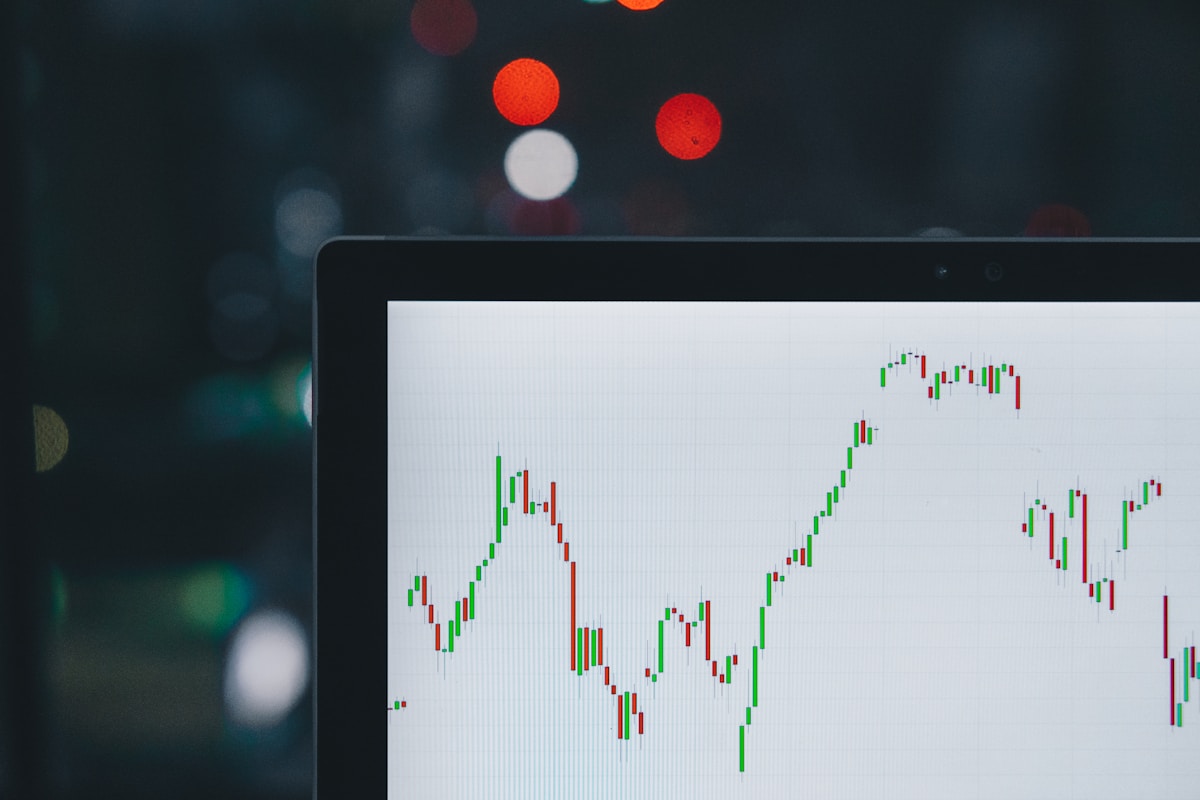
Candlesticks show you who won the battle between buyers and sellers in a given period. Learn the five patterns that matter most for beginners — engulfing, pin bar, doji, hammer, and inside bar — and how to use them with trend and support.
Bitcoin kya hai in Urdu? Aasan zabaan mein samjhein ke Bitcoin kaise kaam karta hai, blockchain kya hai, wallet kya hota hai aur is mein kya risks hain — bina mushkil English ke.
Bitcoin kaise kharide in Pakistan? P2P, exchange aur wallet ka mukammal tareeqa — pehli dafa kharidne walon ke liye step by step, risks aur hifazati tadabeer ke saath.
Position sizing is the single most important risk skill in forex. This step-by-step guide shows beginners exactly how to calculate position size in forex using account risk, stop loss distance, and pip value.
Revenge trading turns one loss into five. This guide explains why traders chase losses after a bad trade and gives a practical routine to stop revenge trading in forex for good.
Leverage magnifies both profits and losses, and beginners usually learn that the hard way. Here are the 7 forex trading mistakes beginners make with leverage — and the simple fix for each one.
Most trading plans fail because they are too long, too vague, or written and never read. This guide shows how to build a forex trading plan that is short, specific, and easy to follow every day.
Scalping and day trading both close positions before the day ends, but they demand very different skills. This comparison explains forex scalping vs day trading for beginners and which style suits a new trader best.
Demo trading builds skill, but it cannot teach you to handle real money emotions. This guide compares forex demo account vs live account trading and gives a clear checklist for when to switch.
News releases can move a currency pair 100 pips in seconds — and wipe out unprepared traders just as fast. This guide shows how to trade forex news safely, with smaller size, wider stops, and a clear plan.
Crypto promises bigger moves, forex offers steadier structure — but which actually makes beginners more money? This honest comparison of crypto vs forex trading covers profit potential, risk, costs, and hours.
A currency strength meter ranks the eight major currencies from strongest to weakest in real time — here is how to read it, combine it with your analysis, and use it to pick the best pairs to trade.