Why your tokenized stock could stop trading for three months
Story summary
Buying a tokenized stock sounds as though it should be simple. You pick a company you know, buy a token representing its shares, and hold it in a digital wallet. The appeal is familiar stock investing with some of the convenience of crypto, potentially including trading beyond the hours of a traditi
📌 Key Highlights & Takeaways
- Buying a tokenized stock sounds as though it should be simple.
- You pick a company you know, buy a token representing its shares, and hold it in a digital wallet.
- The appeal is familiar stock investing with some of the convenience of crypto, potentially including trading beyond the hours of a traditi
Buying a tokenized stock sounds as though it should be simple. You pick a company you know, buy a token representing its shares, and hold it in a digital wallet. The appeal is familiar stock investing with some of the convenience of crypto, potentially including trading beyond the hours of a traditional exchange.
Then you encounter a rule saying trading might have to stop for three months, and the idea of always-available stocks needs a little more explanation.
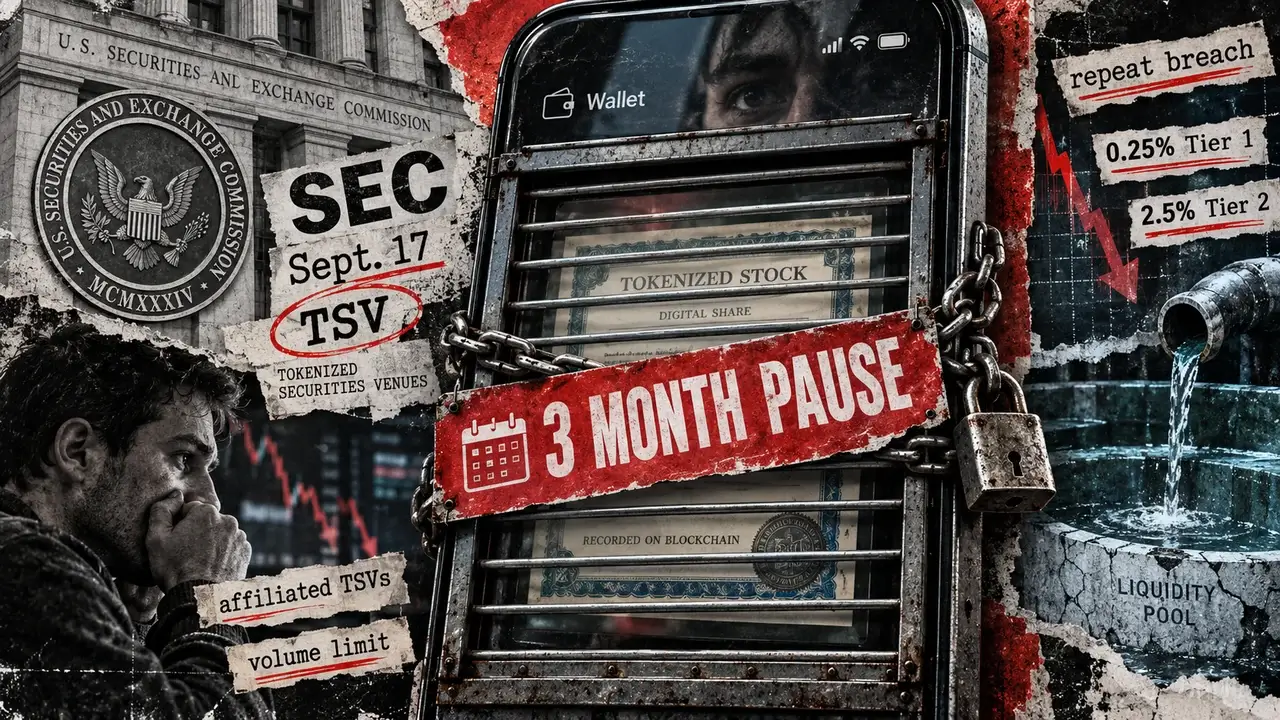
The pause is part of the SEC's Sept. 17 framework for experimental Tokenized Securities Venues, or TSVs. Repeat breaches of a stock's trading volume limit trigger it. It applies to that stock on the exchange and its affiliates, rather than to every version of that tokenized stock everywhere.
That distinction is a good place to start understanding the whole product. Owning a token, owning the rights attached to a share, and having somewhere to sell it are three related things that an app can make look like one.
Stocks are already largely digital. Buying a share through a broker usually gives you an electronic record of ownership through a chain of financial institutions. Tokenization introduces a blockchain into how that ownership (or a claim related to it) is recorded and transferred.
The word “tokenized” describes the format, so you still need to know what the token represents. The SEC's January explanation of tokenized securities separates several models. In one, a company or its agent uses blockchain records as part of its ownership system. In another, a third party holds shares and issues tokens representing an interest in them.
There's also synthetic exposure, where the token gives you a financial return linked to a stock without giving you ownership of that company's shares. Buying something that follows a company's price doesn't automatically give you shareholder rights.
CryptoSlate has covered stock tokens that don't make their buyers shareholders . The lesson there is to look past the familiar ticker and find out who owes you what. If a separate company issues the token, its finances and obligations can become part of your investment risk alongside the business whose name attracted you.
Crypto Profit & Yield Calculator
Simulate trading returns, staking APY, and crypto gains with real-time fee modeling.
Source: CryptoSlate.
Read the full story at the original source ↗
For questions: mrsmithcons@gmail.com.
📈 Live Scalping Metrics & Prop Firm Risk Model
Institutional order flow data, risk-reward ratios, and prop challenge models.
⚡ Access Trading Terminal ➔More from 1UpTrade Live



 🤖 1UpTrade Quant
Best AI trading bot apps in 2026: 10 platforms for crypto and stock trading automation
Breaking coverage reported by AMBCrypto: Best AI trading bot apps in 2026: 10 platforms for crypto and stock t...
Thecourseresellers.com - Ready Set Crypto – Futures Trading
Ready Set Crypto – Futures Trading | Instant Download & Lifetime Access Unlock the complete blueprint for mast...
 ₿ Lucky Satoshi
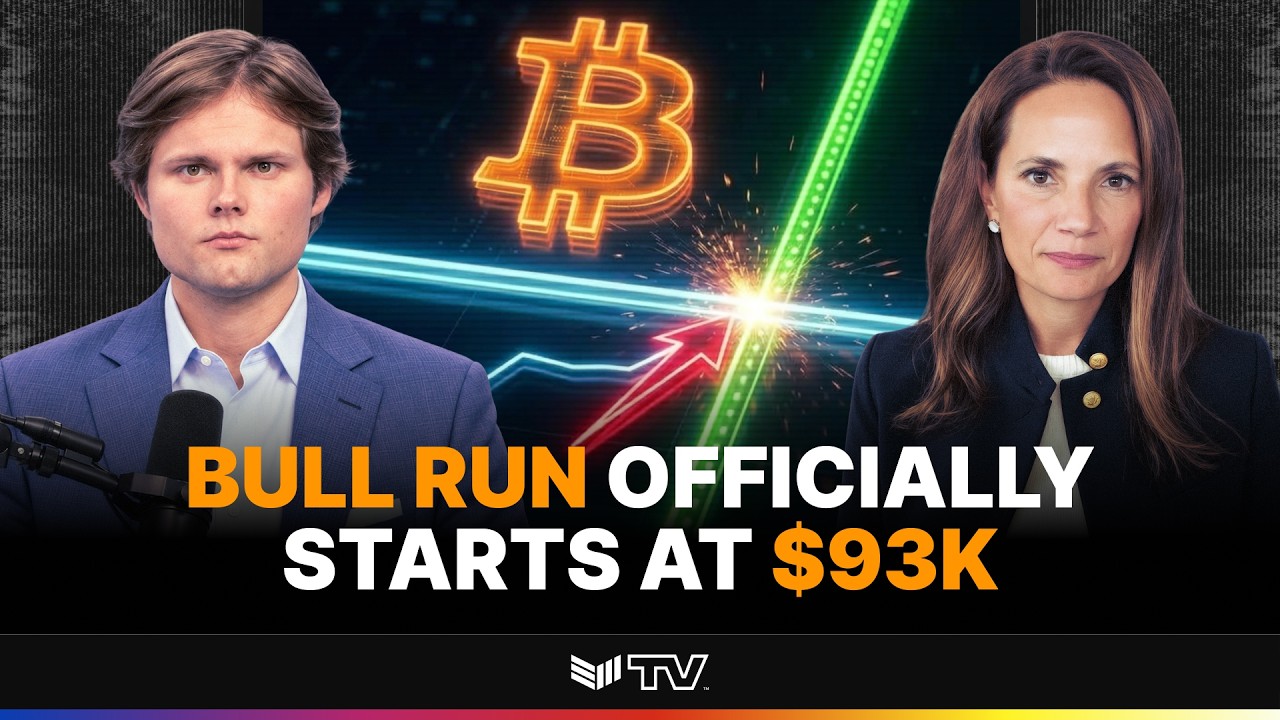
Katie Stockton: US$ 93 mil BTC é o principal nível de preço para o mercado em alta
Bitcoin Magazine Katie Stockton: $ 93K BTC é o principal nível de preço para o mercado em alta Katie Stockton ...
Want wealth stop chasing paychecks
Want to build real wealth instead of simply chasing the next paycheck? 💰 This motivational video explores the...