Crypto vs Forex Trading: Which Is Better for Beginners?
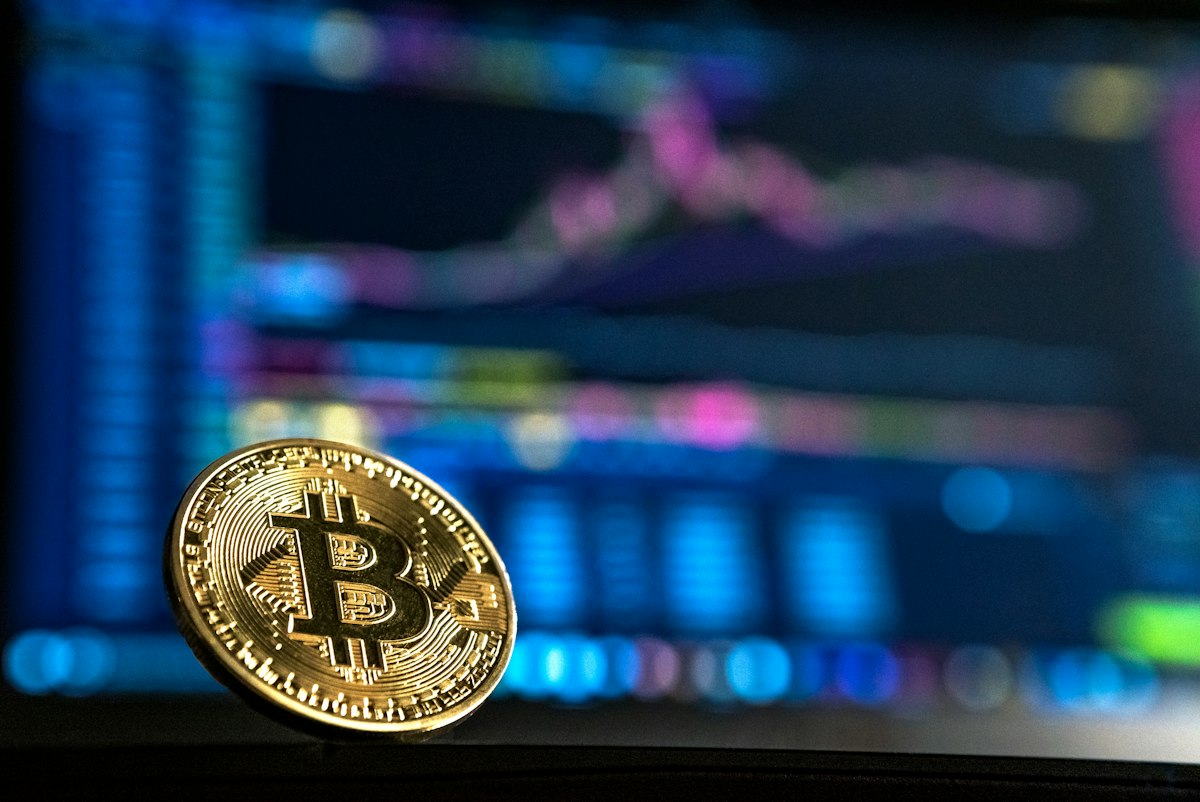
- Primary Signal: Crypto vs Forex Trading: Which Is Better for Beginners?
- Overview: Crypto trades 24/7 with bigger swings and bigger risks; forex trades five days a week with tighter spreads and deeper liquidity. For most beginners, forex is the safer classroom — ...
- Verification: Analyzed and compiled by 1UpTrade Live editorial monitoring desk.
Crypto vs forex is one of the first choices a new trader faces, and the right answer depends on what you want to learn. Crypto trades 24 hours a day, seven days a week, with swings of 5% to 10% in a single day and a market that never closes. Forex trades 24 hours a day, five days a week, with daily moves of 0.5% to 1% on major pairs, tighter spreads, and the deepest liquidity of any market on earth. For most beginners, forex is the safer classroom because its smaller moves forgive mistakes; crypto is the harder exam because its volatility punishes them. Neither is easy money, and both reward the same skills: risk management, patience, and journaling. The worst choice is not picking the wrong market, it is jumping between the two every time one of them has a bad week.
Volatility: The Double-Edged Sword
Volatility is the biggest practical difference. Bitcoin can drop 10% overnight on a single headline, while EUR/USD rarely moves 1% in a day. That means a crypto trader risking 1% per trade needs wider stops and smaller positions, and a single weekend gap can skip a stop loss entirely, because crypto never closes. Forex gaps are rare and usually limited to the Monday open. On the other hand, crypto's volatility is also its opportunity: a well-timed swing trade can return in a week what a forex swing returns in a month. The question is not which market moves more, but which market's moves you can survive while you are still learning. For most people, the answer is the slower one.
Costs, Access, and Learning Curve
Forex has lower trading costs: spreads on EUR/USD are often under 1 pip, and major brokers are regulated with segregated client funds. Crypto trading costs vary widely by exchange, and funding fees on leveraged positions can eat profits on multi-day holds. Forex also has a cleaner learning path: one market structure, one set of sessions, and decades of free educational material. Crypto demands extra knowledge — wallets, exchanges, on-chain data, tokenomics, and security — before you can trade safely, and a mistake like sending funds to the wrong network can be unrecoverable. Crypto's advantage is access: anyone with a phone can open an exchange account in minutes, while forex brokers require identity verification and sometimes minimum deposits.
Which One Should You Start With?
Start with forex if you want to learn trading itself: reading charts, managing risk, and building discipline in a market that moves slowly enough to think. Start with crypto if you are already comfortable with wallets and exchanges and you specifically want exposure to digital assets — but trade spot, not leverage, until you have a year of experience. Many successful traders eventually trade both, using forex for steady income-style strategies and crypto for longer-term swings. Whichever you choose, apply the same rules: risk 1% per trade, keep a journal, and never trade with money you cannot afford to lose. The market you pick matters less than the discipline you bring to it.
Frequently Asked Questions
Is crypto trading harder than forex? For a beginner, yes — mainly because of higher volatility, 24/7 hours that encourage overtrading, and the extra security knowledge required. The trading skills themselves are the same.
Can I trade both crypto and forex? Yes, many traders do. Keep them in separate journals and separate risk budgets, because their volatility profiles are so different that one position-sizing rule does not fit both.
Which market is more profitable? Neither is inherently more profitable. Profit depends on your edge, your risk management, and your consistency — not on the market you choose.
📖 Continue Reading the Full Story
Continue reading this article on 1UpTrade Live.
⚡ Access Full Content NowMore from 1UpTrade Live


