What Is Drawdown in Forex Trading? A Plain Guide to Measuring Losing Streaks
- Primary Signal: What Is Drawdown in Forex Trading? A Plain Guide to Measuring Losing Streaks
- Overview: Drawdown measures how far your account falls from its peak — and it is the number that decides whether you can keep trading. Learn to calculate it, interpret it, and keep it under ...
- Verification: Analyzed and compiled by 1UpTrade Live editorial monitoring desk.
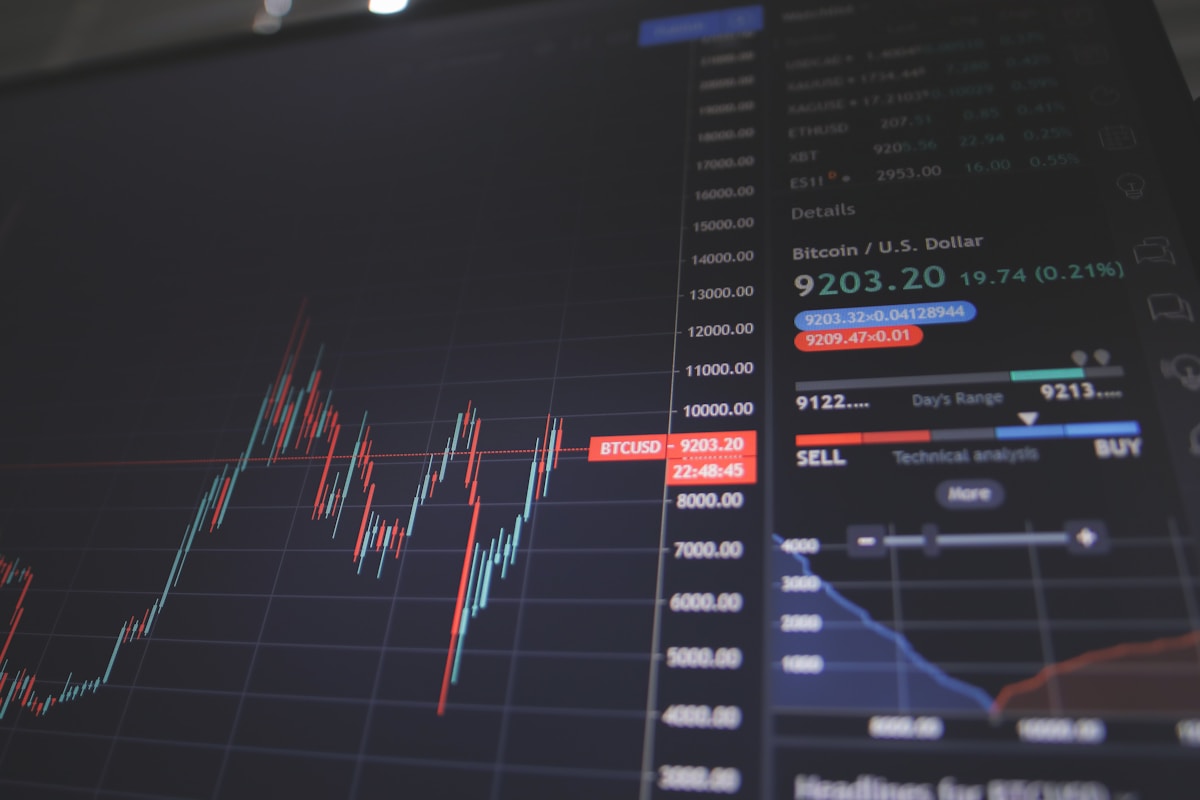
Drawdown is the decline in your trading account from its highest point to its lowest point over a period, usually expressed as a percentage. If your account peaks at ten thousand dollars and later falls to eight thousand, you are in a twenty percent drawdown. It is one of the most honest measures of risk in trading, because it captures the real pain of losing streaks rather than a single bad trade in isolation. Equity curve charts in your journal make drawdowns visible at a glance, turning an abstract percentage into a shape you can recognise and learn to manage over time.
Traders talk about two kinds: maximum drawdown, the worst peak-to-trough fall in a given period, and current drawdown, how far below the peak you sit right now. Maximum drawdown tells you what a strategy has historically endured, while current drawdown tells you how much pressure you are under today. Both matter: a strategy with a history of deep drawdowns will test your discipline even if it eventually recovers. Some traders set a personal rule to halve their position size whenever drawdown crosses a threshold, which slows losses while keeping them engaged enough to trade their way back carefully.
Calculating drawdown is straightforward. Track your account equity daily, note the highest equity reached so far, and divide the difference between that peak and your current equity by the peak value. Many trading platforms and journals calculate this automatically, but doing it by hand for a month teaches you how drawdowns build gradually — rarely from one catastrophic trade, but from a run of ordinary losses that compound while confidence fades. Comparing your drawdown with your strategy's historical maximum drawdown tells you whether the current slump is normal variance or a warning that something fundamental has changed.
The psychological weight of drawdown is why it matters so much. A ten percent drawdown feels manageable, but a thirty percent drawdown changes behaviour: traders shrink their size, abandon strategies, or gamble to recover quickly. Recovery maths is also unforgiving — after a twenty percent loss you need a twenty-five percent gain to break even, and after a fifty percent loss you need a full one hundred percent gain. Preventing deep drawdowns is far easier than climbing out of them. Drawdown tolerance is deeply personal: a level that one trader shrugs off can cause another genuine distress, so your limits should reflect your own temperament rather than someone else's bravado.
Risk per trade is the main lever controlling drawdown. Risking one percent per trade means even ten consecutive losses cost roughly ten percent of the account, while risking five percent per trade turns the same streak into a devastating forty-plus percent hole. This is why professional traders obsess over small, fixed risk: it keeps normal losing streaks survivable and keeps decision-making calm when results turn against them. Taking a planned break during a deep drawdown is often more profitable than pushing on, because fresh perspective prevents the revenge trading that typically deepens the hole.
Other controls include a maximum drawdown rule for your account — for example, pausing trading and reviewing your strategy if drawdown reaches fifteen percent — and diversification across uncorrelated strategies or pairs. A pause rule sounds restrictive, but it forces a review at exactly the moment when emotional decisions are most likely. Many traders find that a planned break during a drawdown saves more money than any new indicator. Funding your account with money you can genuinely afford to lose makes drawdowns far easier to endure, since the stakes stay within bounds that do not threaten your daily life.
Review your drawdown monthly alongside your profit, and treat it as a health score for your trading business. A rising profit line with shallow drawdowns signals a robust approach; a rising line with deep, frequent drawdowns signals fragility that a bad month could expose. Aim to keep maximum drawdown at a level you can tolerate emotionally, because a strategy you cannot stick with through its worst patch is a strategy you do not really have. In the end, drawdown management is what allows a good strategy to survive long enough for its edge to play out, which is why professionals treat it as seriously as entry signals.
📖 Continue Reading the Full Story
Continue reading this article on 1UpTrade Live.
⚡ Access Full Content NowMore from 1UpTrade Live


