
Forex Stop Loss vs Trailing Stop: Which Exit Protects You Better?
A fixed stop limits loss, a trailing stop follows price to lock in gains. Compare how each works, when each fails, and how to choose between them.
476 stories published in 2026
A fixed stop limits loss, a trailing stop follows price to lock in gains. Compare how each works, when each fails, and how to choose between them.

An economic calendar warns you about news that can move prices sharply. Learn to filter events, judge impact, and plan trades around releases.
Scalping chases small, fast moves; swing trading holds for days. Compare time demands, costs, psychology, and skills to find the style you can sustain.

Low volatility does not mean no opportunity. Learn how to adapt your strategy, size your trades and stay patient when the market goes quiet.

Micro lots let small accounts trade with real risk control. Learn how lot sizes work, how to calculate position size, and how to avoid the common sizing mistakes.

Learn the four forex pending orders — buy limit, sell limit, buy stop, and sell stop — and how to place them with a stop loss and take profit attached.
What forex swap rates are, why they can be positive or negative, how the Wednesday triple swap works, and how to keep overnight financing costs under control.

How to build a forex trading journal that actually improves results: the fields to record, measuring in R multiples, tracking emotions and rule breaks, and a weekly review routine.
How to use a forex demo account properly: match it to a realistic live account, follow a written plan, run a four-week practice routine, and know when you are ready to go live.
Why forex news events cause slippage, spread widening and whipsaws, and the three approaches to news — avoid it, trade the aftermath, or trade the release — with practical rules.
What the forex risk reward ratio is, how to calculate it from entry, stop and target, why it must be judged with win rate, and the mistakes that ruin otherwise good ratios.
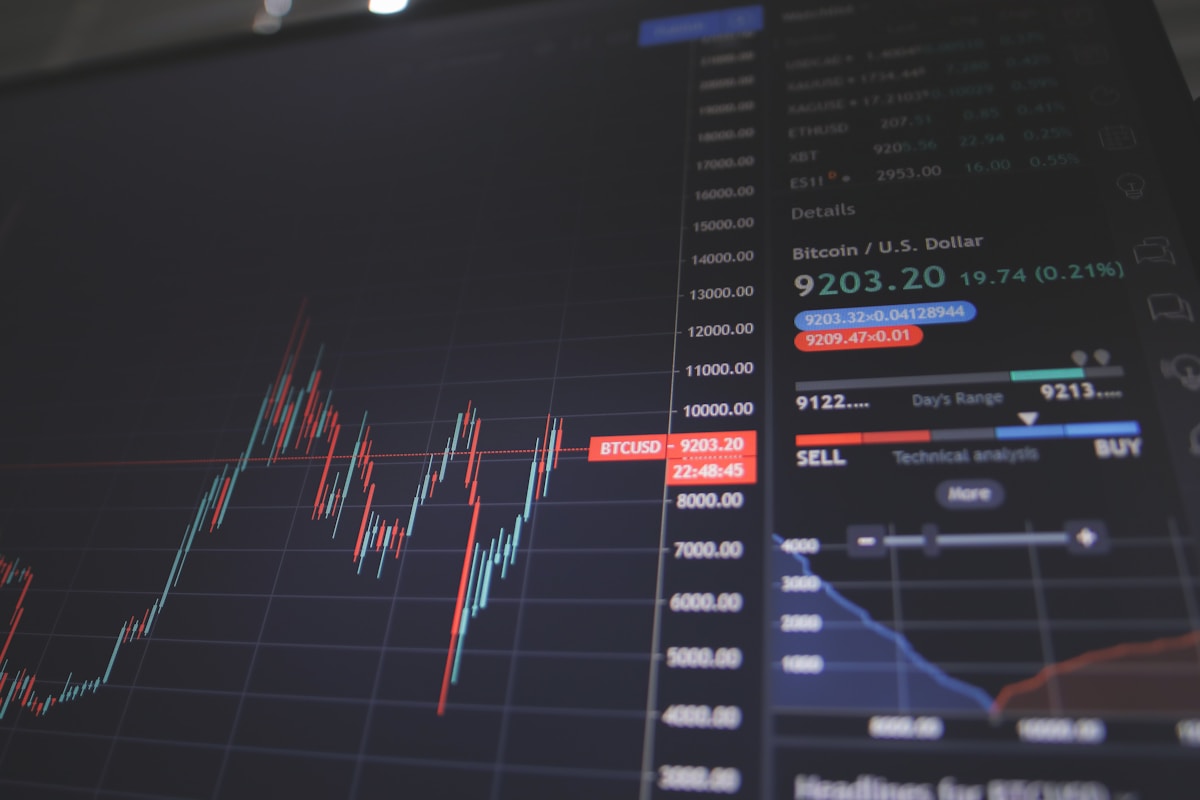
A beginner's guide to forex candlestick patterns: hammers, shooting stars, dojis, engulfing patterns and morning/evening stars, with context, confirmation and stop placement.
What forex hedging is, how direct and correlated-pair hedges work, their spreads, swap and margin costs, and when hedging helps versus when it just delays a loss.
How forex trading psychology decides results: the five emotional traps, mechanical countermeasures like daily loss limits, a pre-trade routine, and reviewing losses as data.
Lot size decides how much every pip is worth in your account. Learn standard, mini and micro lots, and a simple position sizing formula that keeps risk under control.
The spread is the hidden cost on every forex trade. Compare fixed and variable spreads, see how they quietly reduce profits, and learn when each type suits your style.

Leverage lets you control a large forex position with a small deposit, but it magnifies losses just as fast as gains. Learn how it works and how to pick a safe level.

Forex runs 24 hours a day, but not all hours are equal. Learn when London, New York and Tokyo sessions overlap, and which hours give you the cleanest moves.
Support and resistance levels work because traders remember past turning points. Learn to draw zones, not lines, and to tell strong levels from random ones.

Markets trend only part of the time and chop sideways the rest. Learn to identify each regime quickly and switch tactics instead of forcing one strategy everywhere.
A stop loss only protects you if it sits in the right place. Learn the placement mistakes that cause premature exits and oversized losses, and how to fix each one.
Getting into a trade is only half the job; exiting well decides your profit. Compare fixed targets, trailing stops and partial closes, and learn when to use each.

The economic calendar tells you when market-moving news lands. Learn to read NFP, CPI and central bank decisions, and to trade around them safely.

Your broker holds your money, so its regulation matters more than its bonuses. Use this checklist to verify regulators, spot red flags and protect your account.