Crypto Stablecoin Depeg Risk: What Traders Should Check Before Trusting a Dollar Peg
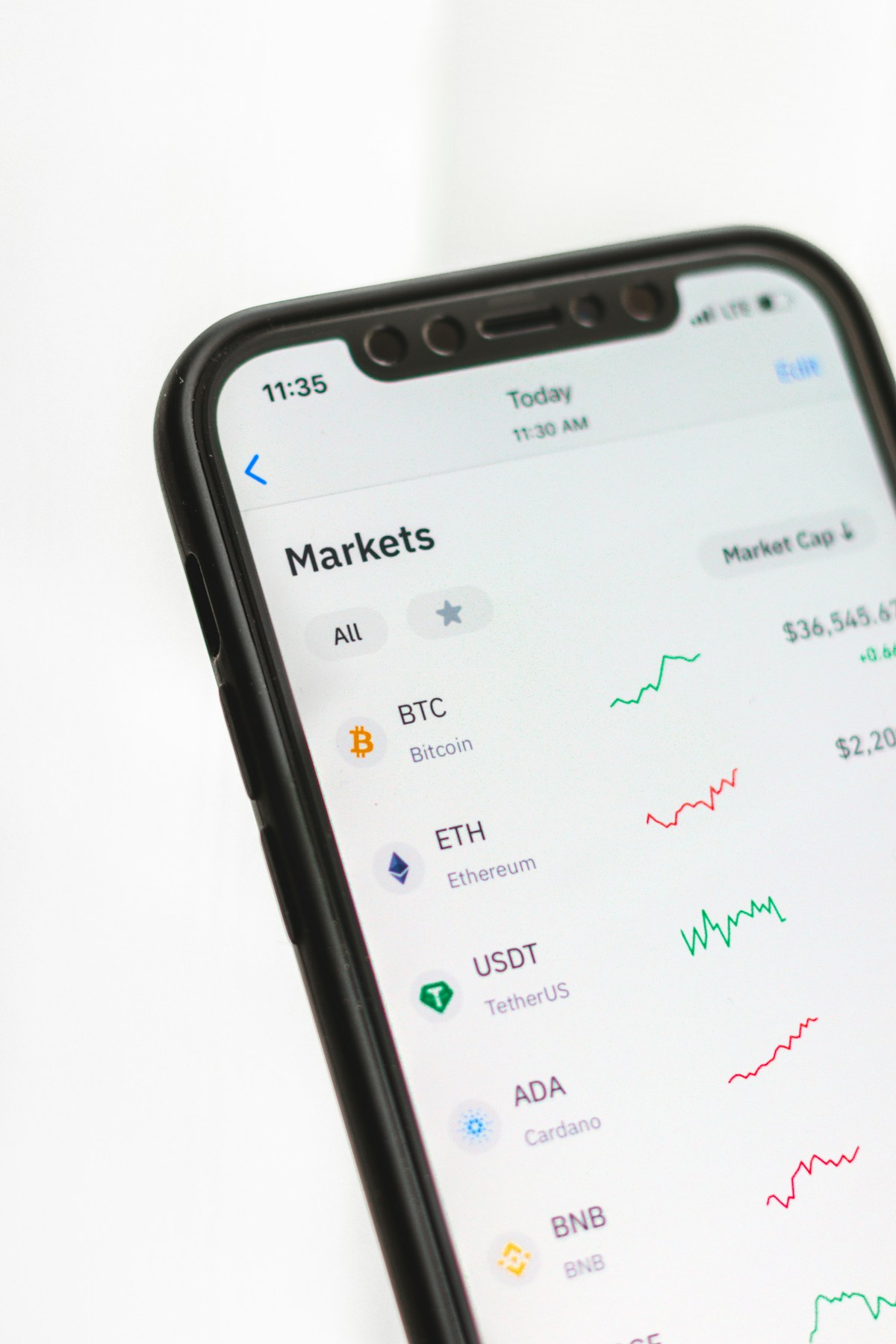
- Primary Signal: Crypto Stablecoin Depeg Risk: What Traders Should Check Before Trusting a Dollar Peg
- Overview: A stablecoin is only as stable as its reserves, redemption path, and liquidity. Learn how depegs happen, which warning signs matter, and how to limit exposure....
- Verification: Analyzed and compiled by 1UpTrade Live editorial monitoring desk.
A stablecoin promises to hold a steady value, usually one dollar, but that promise is only as strong as what backs it and how easily holders can redeem it. Some stablecoins are backed by cash and short-term government securities held in reserve. Others are backed by other crypto assets that can fall in value at exactly the wrong moment, or by algorithms that rely on market incentives rather than reserves. When confidence breaks, a stablecoin can trade well below its peg, sometimes for hours, sometimes permanently, and traders holding it as a safe parking place discover that their safe asset was the risk all along.
Depegs usually follow one of three paths. A reserve shock happens when the backing assets lose value, become illiquid, or are revealed to be riskier than disclosed, and redemption slows or stops. A liquidity shock happens when too many holders try to exit at once on exchanges with thin order books, so the market price gaps below one dollar even while the issuer still claims full backing. A confidence shock happens when a rumour, a regulatory action, or a failure elsewhere in crypto makes holders sell first and ask questions later, creating the very run they feared. In practice the three reinforce each other: a liquidity gap feeds a confidence crisis, which triggers more redemptions, which exposes reserve weakness.
Check four things before trusting any stablecoin with meaningful size. First, the backing: what assets, in what proportions, and who audits or attests to them, and how recent and detailed is that disclosure. Second, the redemption path: who can redeem directly with the issuer, how long it takes, and whether redemption is available to ordinary holders or only to large institutions. Third, market structure: how deep are the order books on your exchange, and does the coin trade at par on several venues or only on one. Fourth, concentration: how much of the coin's supply sits in a few wallets, lending protocols, or a single exchange, because concentration turns a local problem into a systemic one quickly.
Position sizing is the practical defence, since no checklist can guarantee a peg. Treat a stablecoin as a counterparty exposure, not as cash, and limit how much of your portfolio sits in any single issuer. Avoid holding your entire trading balance in one stablecoin on one exchange, especially if that coin is also the collateral for leveraged positions, because a depeg then hits your balance and your margin at the same time. Keep a plan for a depeg event written down in advance: at what discount do you exit, on which venue, and into what asset, so you are not improvising while the price is falling and spreads are widening.
Finally, separate trading use from savings use. Using a stablecoin briefly to move between trades is a different risk from holding life savings in one for months, and the diligence should match the exposure. Read the issuer's terms on redemption freezes, check whether your jurisdiction treats the coin as a regulated payment instrument or an unregulated crypto asset, and remember that past stability is not a guarantee: several once-trusted pegs have broken. Stablecoins are genuinely useful infrastructure for crypto traders, but usefulness is not safety. Size the exposure as if the peg can break, because history shows that, occasionally, it does.
A concrete habit closes the loop: once a month, check the stablecoins you hold for any change in attestation, redemption terms, or exchange liquidity, and confirm that no single issuer still exceeds the limit you set for yourself. Pegs rarely break without warning signs, but those signs only help traders who actually look for them on a schedule. Five minutes a month is a small price for knowing that the dollar in your trading account is still worth a dollar when you need it most.
📖 Continue Reading the Full Story
Continue reading this article on 1UpTrade Live.
⚡ Access Full Content NowMore from 1UpTrade Live